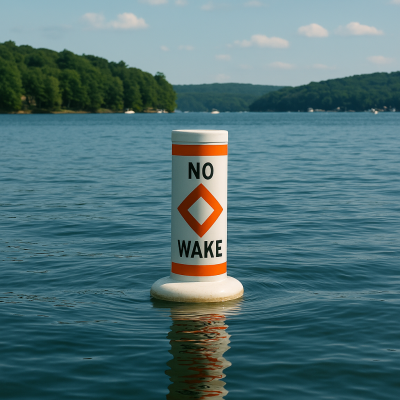
Nestled in the Pocono Mountains of northeastern Pennsylvania, Lake Wallenpaupack stands as both a scenic gem and an engineering marvel. While its tranquil waters lure vacationers, anglers, and boaters, few realize this lake is more than just a recreational retreat—it’s a manmade reservoir built in the 1920s as part of a hydroelectric system designed to generate renewable energy. Dams like the one that created Lake Wallenpaupack serve as excellent case studies in how nature and infrastructure can align to produce clean power, support local economies, and preserve ecosystems when managed properly.
This article explores how hydroelectric dams for manmade lakes work, why seasonal water management is essential, how aquatic life and debris are kept away from critical equipment, and what broader benefits such systems offer to their surrounding communities.
The Basics: How Hydropower Dams Work

At its core, hydropower—also known as hydroelectric power—is a method of generating electricity using the kinetic energy of moving water. A dam is built to create a reservoir, or in the case of Lake Wallenpaupack, an entirely new lake. This reservoir stores vast quantities of water at an elevated height, creating what's known as “potential energy.” When electricity is needed, water is released from the lake through large pipes or tunnels called penstocks. As the water flows downward due to gravity, it gains speed and pressure before reaching turbines positioned near the base of the dam. These turbines spin as water flows through them, converting kinetic energy into mechanical energy. The turbines are connected to generators, which convert the mechanical energy into electrical energy. This electricity is then transmitted via power lines to homes, businesses, and public infrastructure.
Hydropower is prized for its efficiency, longevity, and low carbon emissions. Once the dam and turbines are built, the system can generate electricity for decades with minimal fuel or environmental waste.
Lake Wallenpaupack: A Legacy of Purpose
Lake Wallenpaupack was created in 1926 by the Pennsylvania Power & Light Company (now PPL Corporation) through the construction of the Wallenpaupack Dam on Wallenpaupack Creek. The lake stretches 13 miles long, covers 5,700 acres, and has a shoreline of over 52 miles. It was specifically designed to generate hydroelectric power and manage water levels during peak demand periods. Today, the lake serves multiple purposes. While it continues to generate electricity through a regulated hydroelectric facility, it also supports wildlife, recreation, and local tourism. PPL later transferred management of the lake’s recreational facilities to the local community, but it still retains oversight of dam operations and energy production.
Seasonality and Strategic Water Releases
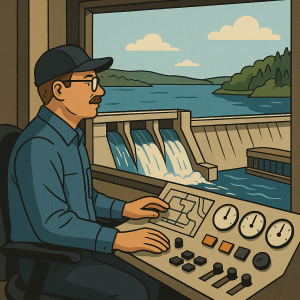 Hydropower is unique in its responsiveness. Unlike solar or wind, which depend on variable weather conditions, hydroelectric systems can ramp production up or down by controlling water flow. This makes dams ideal for "peaking" power—supplying electricity during times of high demand.
During summer months, when air conditioning and cooling needs spike, hydro facilities (like those at Wallenpaupack) can release water to help meet energy demands. Operators coordinate closely with grid managers to time releases that coincide with peak afternoon usage, typically between 3 PM and 7 PM. These releases aren’t random. They're guided by seasonal forecasts, reservoir levels, and electricity demand. Operators must also account for recreational use of the lake, especially during holiday weekends, ensuring water levels remain sufficient for boating, swimming, and fishing.
Brookfield Renewable currently manages the water release schedule, and considers these factors when making plans:
- Boating Releases: Brookfield is required to offer eight summer releases with flows of 1,200 cubic feet per second (cfs) to support recreational activities like whitewater rafting on the Lackawaxen River.
- Timing & Conditions: These releases are typically scheduled after July 1, but may be altered due to maintenance at the hydroelectric plant. If natural river flows are too low, releases might be postponed or rescheduled.
- Electricity Generation: The dam powers two turbines that generate 44 megawatts, enough for about 35,000 homes. Water flows through a 3.5-mile pipe to the plant, spins the turbines, and exits into the river.
You can find real-time release data and alerts on SafeWaters’ Wallenpaupack page. It’s the go-to source for boaters and residents tracking lake levels and flow conditions.
Spring Thaw, Flood Management, and Winter Drawdowns
In spring, melting snow and seasonal rains increase water levels. Controlled releases help manage this influx, reducing the risk of downstream flooding. This is critical for protecting towns and properties located along rivers fed by the dam.
In colder months, lakes like Wallenpaupack may undergo a “drawdown,” a deliberate lowering of the water level. This serves multiple purposes:
- Ice damage prevention: Reducing water levels protects docks and shoreline structures from shifting ice.
- Dam maintenance: Winter is often used for inspecting and servicing dam infrastructure.
- Shoreline cleanup: Lower water levels expose debris and sediment, allowing communities to organize shoreline cleanups.