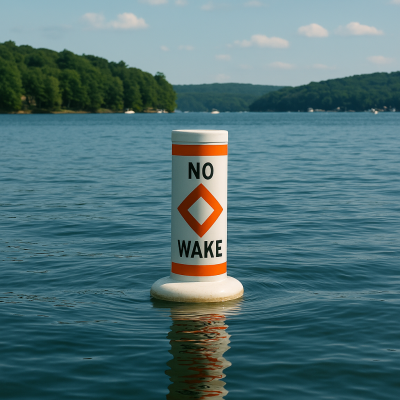
Lake Wallenpaupack isn’t just a haven for anglers—it’s a living, breathing ecosystem where every rock crevice and stump hides a story. And sometimes, those stories come with eight legs or a pair of pincers. I was at the Lake earlier this summer and came across some water-side creatures that I felt would be interested to write about.
Crayfish: The Unsung Heroes of Smallmouth Success
If you’ve ever flipped a rock near the shoreline or waded through one of Wallenpaupack’s feeder streams, chances are you’ve spotted a crayfish scuttling backward like a miniature lobster on caffeine. These native crustaceans are more than just cool creek critters—they’re prime bait for smallmouth bass, which dominate the lake nearly 7-to-1 over largemouth bass.
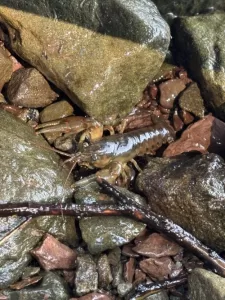
Why crayfish work:
- They mimic natural forage in rocky areas and ledges where smallmouths hunt.
- Their movement—especially when hooked through the tail or carapace—triggers aggressive strikes.
- They’re abundant and legal to use if caught from the same body of water (always double-check PA Fish & Boat Commission rules).
Pro tip: Fish them near transition zones—where shallow flats drop into deeper water. Places like Ledgedale or Goose Pond Cove are ideal spots.
Fishing with Spiders? Sort of…
The fishing spider (Dolomedes species) is a native arachnid that hunts insects and even small fish near the water’s edge. While not a common bait, their presence signals a healthy shoreline ecosystem. And yes, some daring anglers have experimented with using large spiders or spider-like lures to mimic surface skitters that attract panfish or even trout.
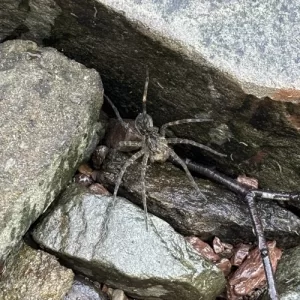
Spider-inspired bait ideas:
- Use topwater lures with long, trailing legs to imitate the ripple effect of a spider crossing the surface.
- In shallow coves during early morning, cast near overhanging branches or stumps—prime ambush spots for surface feeders.
While actual spiders aren’t standard bait, their behavior inspires lure design and teaches us where fish might be lurking.
Respecting the Ecosystem & Final Thoughts
Using native bait like crayfish is not only effective, but it’s ecologically responsible. Introducing non-native species, even as dead bait, can disrupt the lake’s balance. Stick to what’s already part of the food web, and you’ll be rewarded with better bites and a cleaner conscience.
Next time you’re out on Wallenpaupack, take a moment to flip a rock, watch a spider skitter across the water, or scoop up a crayfish. These tiny creatures are more than bait—they’re part of the lake’s story. And when you fish with what the lake gives you, you’re not just catching fish—you’re connecting with the wild heart of Pennsylvania.