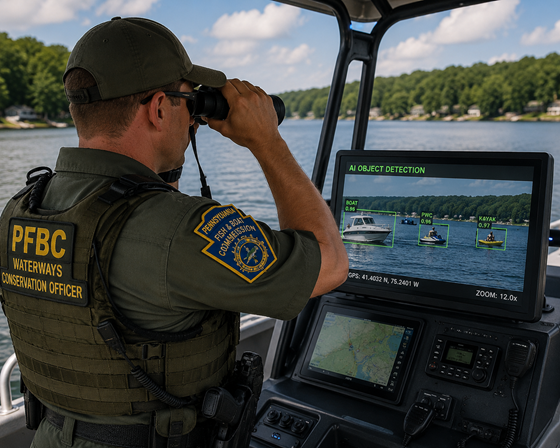
If you spend enough time on Lake Wallenpaupack during boating season, eventually you’ll find yourself staring at the fuel gauge wondering where the closest gas dock is located. Whether you’re running a pontoon all afternoon, towing kids on tubes, cruising on a wake boat, or spending the day on a PWC, fuel stops are simply part of lake life.
With another busy summer ahead — and a scheduled lake drawdown happening later this season — we figured this would be a good time to share what boaters should know about fueling up on Lake Wallenpaupack.
What to Expect for Gas Prices This Season
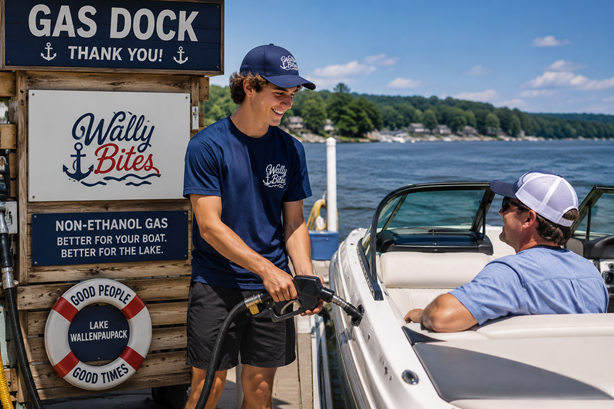
Early-season chatter around the lake suggests on-the-water gas prices could begin slightly above the $6-per-gallon range, though prices fluctuate throughout the season depending on fuel costs, transportation, and supply. Like everything else tied to boating, convenience comes at a premium. Pulling directly up to a dock and filling your tank without hauling gas cans down to your dock is a luxury many lake residents and visitors gladly pay for during the summer months.
When Do Gas Docks Open on Lake Wallenpaupack?
Most of the major marinas on Wallenpaupack aim to have their gas docks operational by mid-May, with nearly all fully open and running by Memorial Day weekend at the latest. In many cases, marinas prioritize getting fuel docks installed before some of their seasonal slips because gas service is such an essential part of getting the lake ready for summer. As a general rule, fuel is available during normal marina business hours throughout the boating season. Weather, water conditions, dock installation timing, and maintenance can occasionally impact opening dates, so calling ahead is always smart early in the season.
Why We Use Non-Ethanol Gas from 1st Klas Marina
One thing many longtime boaters on Wallenpaupack pay close attention to is the type of fuel going into their engines. At WallyBITES, we personally fuel with non-ethanol gasoline from 1st Klas Marina, one of the only locations on the lake offering non-ethanol fuel directly on the water.
Why does that matter? Marine engines and ethanol don’t always get along — especially on boats that may sit unused between weekends or vacations.
Using non-ethanol fuel helps:
- Prevent phase separation, where water and fuel separate inside your tank
- Reduce corrosion to fiberglass and rubber fuel system components
- Avoid gumming and varnish buildup in carburetors and fuel lines
- Improve long-term engine reliability for seasonal boats and PWCs
- Reduce moisture-related issues common in humid marine environments
For occasional boaters, ethanol fuel may not create immediate problems. But for many experienced lake residents, non-ethanol fuel offers extra peace of mind and can help reduce maintenance headaches over time.
Fuel Dock Etiquette Matters
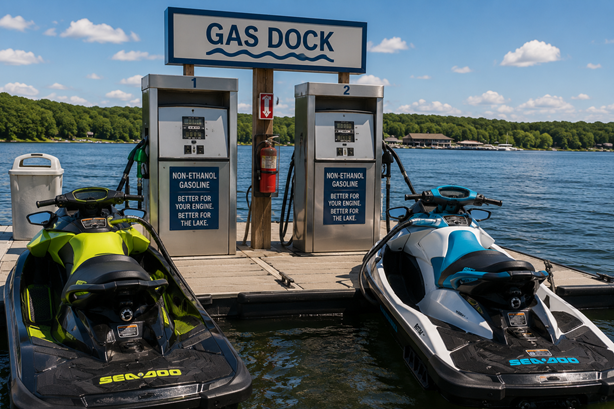
Anyone who has tried getting gas on a busy July weekend knows things can become hectic around the pumps. A few reminders go a long way:
- Wait your turn and respect the order boats arrived
- Be patient around crowded docks
- Remember that not everyone docks with the same experience level
- Avoid rushing openings or cutting off other boats waiting for fuel
Fuel dock attendants work hard during the busiest part of summer. They help guide boats safely into slips, secure tie-ups, handle fuel carefully, and often deal with difficult conditions on packed weekends. Tipping is never required, but many boaters choose to leave something for attendants who help make the fueling process easier and safer. After all, these crews spend long summer days in the heat helping everyone enjoy the lake.
2026 Drawdown: What Boaters Should Know
This year is also a drawdown year on Lake Wallenpaupack. For those unfamiliar, a drawdown occurs when additional water is released from the lake to allow inspections, maintenance work, or repairs associated with the dam and hydroelectric system. These projects are part of federally regulated safety and operational requirements and typically happen every several years.
What does that mean for boaters? As summer winds down after Labor Day, lake levels will begin dropping more noticeably than during a typical year. As water levels recede:
- More rocks and hazards become exposed
- Shallow areas become increasingly dangerous
- Navigation becomes trickier in certain coves and river sections
- Some docks and gas facilities may close earlier than usual
Historically, many gas docks remain operational through late September or even into October. However, during drawdown years, many marinas aim to have docks removed by around September 15th to October 1st depending on conditions. If you’re newer to Wallenpaupack, pay close attention to changing water levels after Labor Day. Areas near Ledgedale, the river section, and portions of Hawley often show falling water levels first. Slower speeds and extra caution become increasingly important as the season progresses.
On-the-Water Fuel Locations on Lake Wallenpaupack
Here are several locations where boaters can fuel up directly on the lake this season:
| 1st Klas Marina | Located on Route 507 in Tafton, 1st Klas Marina offers on-the-water fueling and is known for carrying non-ethanol gasoline. |
| Lighthouse Harbor Marina | Located on Route 507 in Greentown, Lighthouse Harbor is one of the lake’s largest marinas and features a full-service gas dock during boating season. |
| Wilsonville Recreation Area | Situated on the eastern side of the lake near Hawley, Wilsonville offers both a public launch and an active fuel dock. |
| Ironwood Point Recreation Area | 155 Burns Hill Road, Greentown, PA |
| Ledgedale Campground & Marina | 263 Ledgedale Road, Greentown, PA 18426 |
| Capri Marine | 457 Lakeshore Drive, Lakeville, PA 18438 570-226-3819 |
Final Thoughts
Fuel docks are one of those small but essential parts of lake life that keep summer moving on Wallenpaupack. Whether you’re topping off for a sunset cruise, a long holiday weekend, or another full day pulling kids around on tubes, knowing where to fuel — and understanding changing lake conditions during a drawdown year — can help make your time on the water smoother and safer.
And if you’re looking to give your engine a little extra protection this season, many experienced local boaters continue to swear by non-ethanol fuel whenever they can get it.