Skip to content

Riding the Wake: The Truth About PWC Safety, Risks, and Responsible Fun

  • 7 min read

Nothing screams summer quite like the roar of a personal watercraft (PWC) slicing across the surface of a lake. Whether it’s a Sea-Doo, Jet Ski, or WaveRunner, these nimble machines offer adrenaline, speed, and accessibility to water lovers of all ages. But with great power comes great responsibility—and not enough people seem to realize just how risky these vehicles can be when safety takes a backseat. Personal watercraft may only account for a fraction of boats on U.S. waterways, but they account for a disproportionate number of accidents. As use increases on lakes like Lake Wallenpaupack, Lake Havasu, Lake Lanier, and thousands of others across the country, so does the urgency to understand both the risks and rewards of these fast-moving water rockets.

This article explores injury and fatality trends, outlines state-by-state data and offers helpful strategies for making the most of your time on the water—safely.

What Is a PWC?
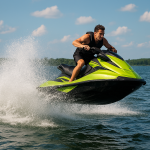
A Personal Watercraft (PWC) is defined as a motorized watercraft under 13 feet in length, designed to be operated by someone sitting, kneeling, or standing on the vessel rather than inside it. Common examples include Yamaha WaveRunners, Kawasaki Jet Skis, and Bombardier Sea-Doos. They’re popular for good reason: affordable compared to traditional boats, relatively easy to transport, thrilling to ride, and a blast for families, teens, and tourists alike. But therein lies the challenge: accessibility and popularity can lead to complacency. And on water, complacency is dangerous.
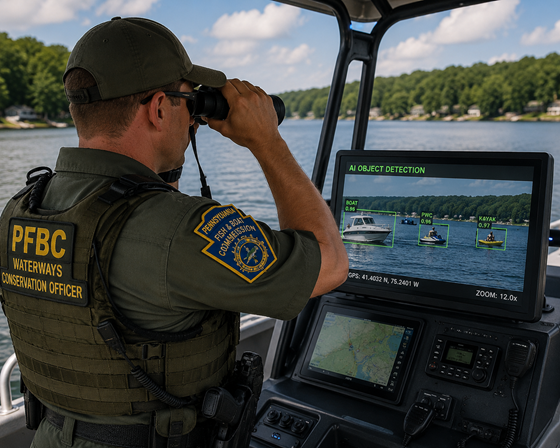

Nationwide PWC Accident Statistics

According to the U.S. Coast Guard’s 2023 Recreational Boating Statistics Report, there were:

  • 4,040 total boating accidents in the U.S.
  • Of those, 623 involved PWCs (~15.4%)
  • 35 of those PWC accidents were fatal, resulting in at least 40 deaths

PWCs ranked second only to open motorboats in total reported accidents. What’s striking is that although PWCs represent less than 10% of all registered recreational vessels, they account for over 15% of boating injuries—highlighting a significant risk factor.

Common PWC-Related Injuries Include:

  • Traumatic brain injuries (TBIs) from falls or collisions
  • Broken bones and spinal injuries from high-speed crashes
  • Lacerations from propeller contact or water impact
  • Burns from engine or exhaust exposure
  • Internal injuries from high-pressure water impact (especially in rear-passenger ejection cases)

Death Rates by State: Where It’s Riskier to Ride

Using compiled data from state boating authorities and U.S. Coast Guard regional offices, the following states saw the highest PWC-related fatality rates (per 100,000 registered PWCs) in recent years:

State Fatalities (Annual Avg.) Notable Trends
Florida 15-20 High usage, year-round activity
California 10-15 Crowded inland lakes, high tourist use
Texas 7-10 River accidents, often alcohol-related
Georgia 5-7 Lake Lanier—a known hotspot
Arizona 3-5 Lake Havasu sees heavy party traffic
Pennsylvania 2-3 Spike in summer rentals (incl. Wallenpaupack)

States like Florida and California also lead in injuries due to a combination of heavy traffic, dense waterway use, and a significant number of novice operators. Even in quieter states, fatalities still happen—often due to inexperience, lack of life jackets, or collisions with other vessels.


The Top 5 Risk Factors for PWC Accidents

  1. Operator Inexperience: Over 50% of PWC accidents involve riders with less than 10 hours of experience. Many PWC rental companies offer minimal instruction, often limited to a 10-minute orientation.
  1. Speed and Recklessness: PWCs can reach 65+ mph on open water. That’s the aquatic equivalent of NASCAR—with no brakes. High speeds reduce reaction time, especially in crowded coves or narrow channels.
  1. Alcohol Use: Nearly 1 in 4 fatal PWC accidents involve alcohol. Despite being illegal in all 50 states, boating under the influence (BUI) continues to be a leading factor in watercraft deaths.
  1. Lack of Life Jacket Use: Almost 90% of all PWC fatalities involve individuals not wearing a life jacket. This is preventable. Most state laws require life jackets—but enforcement and compliance vary.
  1. Passenger Ejections: Due to sharp turns and choppy water, passengers often get tossed off the back. When that happens, water can forcibly enter the body—sometimes with severe internal damage. While rare, these cases are often underreported due to their graphic nature.

The Upside: Why People Love PWCs

While the stats may sound grim, it’s important to remember that millions of safe PWC rides happen every year. With a little common sense and a few safety practices, PWCs can be an incredible way to explore lakes, rivers, and coastal zones.

The positives:

  • Affordability: Many models cost under $12,000—cheaper than even a used boat.
  • Accessibility: Launchable from most public ramps with minimal equipment.
  • Adventure: Great for thrill-seekers, island hopping, and even light fishing.
  • Family-Friendly: Many newer models seat 2–3 and come with enhanced stability features.
  • Eco-Conscious: Modern PWCs are cleaner and quieter than ever, thanks to emissions standards.

Tips for Safe and Fun PWC Operation

Here are some real-world steps to stay safe and still enjoy the ride:

  1. Always Wear a U.S. Coast Guard-Approved Life Jacket: Not all floatation devices are created equal. Choose one that fits snugly and is rated for your activity and body weight.
  2. Take a Boater Safety Course: Many states (including PA) require this for PWC operation. Even if it's not mandatory, do it. Courses cover navigation rules, emergency procedures, and state laws.
  3. Use the Engine Cut-Off Switch Lanyard (Kill Switch): Attach it to your life jacket or wrist. If you fall off, the engine stops—saving lives and property.
  4. Know Your Local Rules: For example, Lake Wallenpaupack has specific no-wake zones and time restrictions for high-speed operation. Familiarize yourself before launching.
  5. Respect Distance & Speed Zones: Stay at least 100 feet from shorelines, docks, and other vessels unless idle. Don't buzz swimmers or paddleboarders—they have the right of way.
  6. Never Ride After Dark: PWCs aren’t legally allowed on most lakes after sunset for a reason—they lack running lights, and visibility drops significantly.
  7. Watch for Weather: Sudden squalls or high winds can turn a pleasure ride into a rescue mission. Check weather apps, and when in doubt, stay docked.


Spotlight: Lake Wallenpaupack Safety & Culture

Lake Wallenpaupack in northeastern Pennsylvania is one of the state’s most popular inland lakes for PWCs, drawing thousands each summer. However, its size (13 miles long) and changing depth zones can create deceptive conditions for novice riders.

Known Issues:

  • Sudden chop from boat wakes
  • Crowded holiday weekends
  • Narrow arms with limited visibility
  • Cold water even in late spring (risk of hypothermia)

Local Response:

  • The Pike and Wayne County Sheriff's Departments regularly patrol the lake.
  • Boating safety classes are offered through the PA Fish & Boat Commission.
  • Some marinas now include mandatory safety videos before renting PWCs.

Wallenpaupack is a prime example of how community-driven safety initiatives, combined with education and responsible tourism, can make a difference.

Closing Thoughts: Ride Smart, Live Long

Personal watercraft offer an incredible way to experience the outdoors. But the same characteristics that make them fun—speed, agility, minimal barriers to entry—can also make them dangerous in the wrong hands. Education, preparation, and respect for the water are key. It’s not about fear—it’s about foresight. Because the best PWC ride is the one where everyone comes back smiling, a little sunburned, and ready for s’mores at the firepit.

So gear up, check your local rules, and hit the throttle with care. The lake will thank you.

Share this post on social!